Checking In on the Mind and the Heart in Afterschool Learning
Updated: Sep 7
How Alabama Virtual Institute is Teaching the Whole Child

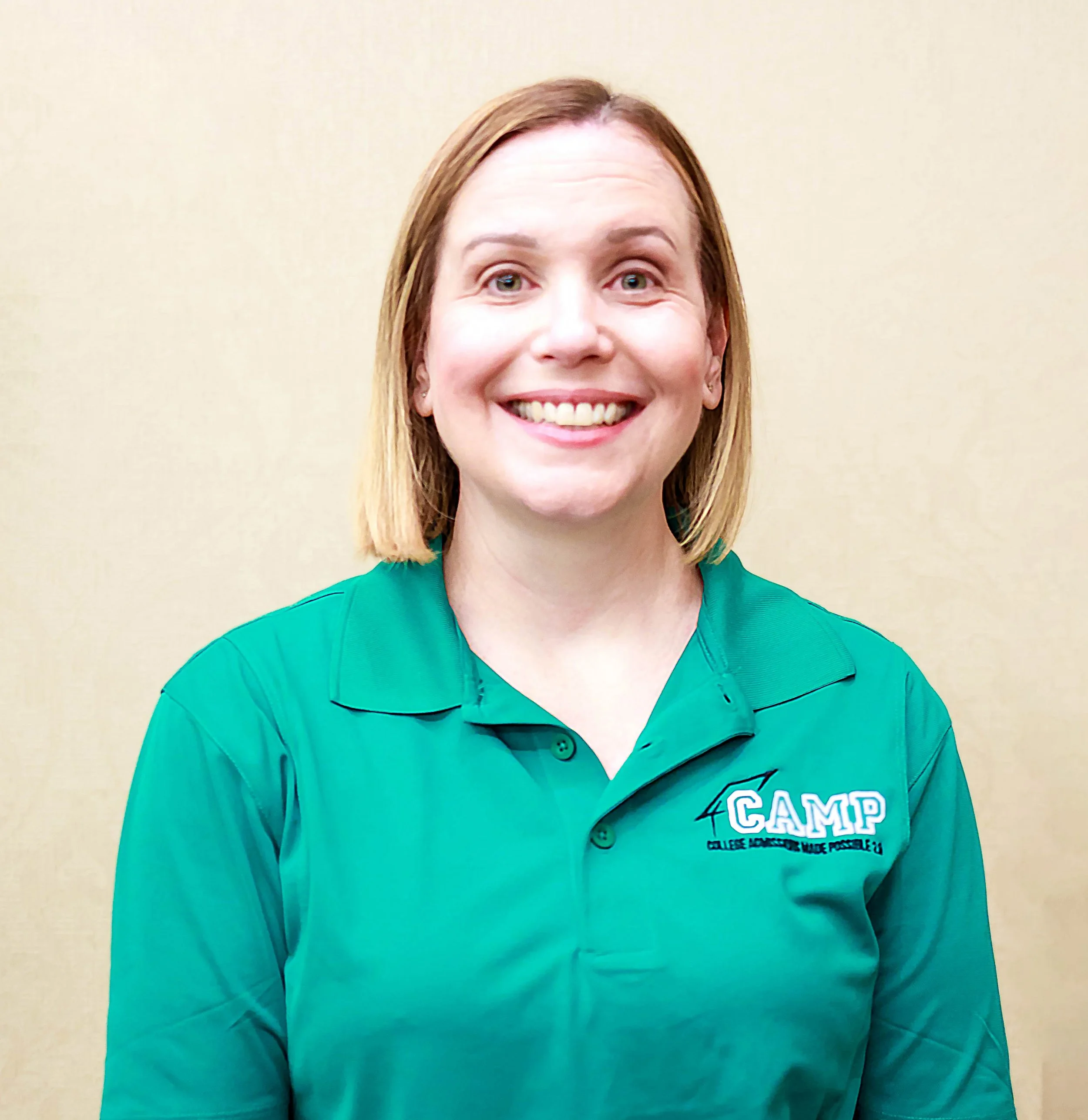
The kids’ hearts are an important part of learning for AVI director TraVonna Heard. She feels that “We get to bridge the gap between STEM and SEL that really touches the heart of the student.” When teachers “focus on the kids, that starts building trust.” Afterschool learning with Alabama Virtual Institute (AVI) is all about meeting students where they are. There are virtual and in-person teachers to guide students in this hybrid Afterschool program. Students experience STEM and social-emotional lessons from virtual teachers and work with in-person teachers to create a product each week. TraVonna and the AVI staff “get to take all of the pieces of the day and put it together like a little scrapbook.” AVI looks at the entire student and ensures they are met where they are.
Meeting Students Academically and Social-Emotionally
Teachers meet students where they are, both academically and socially, during lessons and activities. In “5 Strategies to Meet Students Where They Are,” Jennifer Lempp offers strategies that help her do this: stay curious, stay quiet, ask questions, refrain from deficit thinking, and use small group instruction. AVI implements these strategies by giving students a topic to explore and a product to build. They let students talk on screen and continue to ask questions to lead them to discover the answers. Each virtual teacher manages between 5 and 10 different sites from various locations on their screens. That can be a lot of students, but each teacher takes time not only with academics but also with social-emotional learning to make each student feel seen.
TraVonna is passionate about the social-emotional component: “The main thing that we say in AVI is that before a student can learn, you have to check in with their heart. You need to make sure they know that you care. They need to know that you are not on this screen to bombard them with information.” Students get to share during the social-emotional lesson. According to “Exploring Emotional Learning and Its Impact on Student Behavior, Well-Being, and Resilience using Structural Equation Modeling,” “emotional learning is a complex and vital process for students, as emotions significantly impact learning, academic achievement, and overall well-being.” Therefore, meeting students’ emotional needs and creating supportive learning environments is essential. AVI staff continually check on students throughout the learning process to get to know them well.

Establishing a Safe Environment through Trust
Checking in creates connections with students, and those connections establish trust. TraVonna believes that “the SEL component builds that trust. It also opens the door to see what is going on in their world.” In “The Neuroscience of Trust: Unlocking Student Potential,” it states that “trust is a fundamental element of human interaction in the brain’s functioning. It isn’t just a ‘nice to have’ in the classroom [or Afterschool space]; trust is the cornerstone of both learning and emotional well-being.”
TraVonna gives an example of what students share when they have a bond with their teachers: “We ask students what has been the hardest thing you have gotten through, and one student shared that he had just lost his father. He let us know how hard it was and how he was persevering by leaning on mom and trying to process it all. We need to build that trust because we need to know what these babies are going through.” She also points out that “You would think a screen would be a barrier, but because the emotion and character came through the screen, it says a lot about what we are doing.” That student connected with one of the virtual teachers and received support. This connection doesn’t stop with social-emotional learning; it continues with creating a safe environment.
It’s Okay to Make Mistakes
Making students feel safe by providing an environment where it’s okay to make mistakes is important to TraVonna. She feels that “The kids learn that when a mistake is made, this is how you work through it. AVI helps kids get comfortable and confident in making mistakes.” AVI uses the Engineering Design Process to help students understand how to go back, fix it, improve it, and test again. This approach helps students become resilient learners.
In “Children’s Attitudes Toward Mistakes: Profiles and Associations with Parental Predictors and Academic-Related Outcomes,” it says, “Those with positive attitudes toward mistakes tend to perceive mistakes as an inherent part of the learning process and are more likely to experience fewer negative emotions when making mistakes.” The use of the Engineering Design Process helps students grow and become comfortable with working through mistakes. This confidence is crucial when they encounter challenging experiences.
Challenging Experiences in Afterschool Learning
The kids not only embraced the DNA lesson, but they easily explained those science concepts to others. TraVonna explains what happened: “Teachers were blown away. I cannot believe these students grasped the DNA. [A collaborator] Dr. Gray laid it out. She taught the staff how to teach the students—so much preparation to make this successful for the teachers. She made sure the kids could understand.”
TraVonna loves when this happens in AVI, and she hopes the students go home and share everything they learned, especially the structure of DNA. AVI is allowing students space to explore social-emotional issues, creating a safe environment to learn from mistakes, and challenging them to take on new experiences.
TraVonna believes a common misconception about Afterschool learning is that “the kids’ day is over and it’s a babysitting service; it’s not; we are invested, and we want to be the light on the other side of the screen.” The most important thing for TraVonna is to “Love the babies! Love them!”
All kids do their best when they feel that love. See what AVI Afterschool learning looks like by visiting the AVI program page, share TraVonna’s passion with someone else, and be sure to follow CAMP on social media.
Conclusion: The Heart of Afterschool Learning
In conclusion, the Alabama Virtual Institute exemplifies how Afterschool programs can effectively teach the whole child. By prioritizing social-emotional learning alongside academic achievement, AVI creates a nurturing environment where students can thrive. The commitment to building trust, encouraging resilience, and fostering meaningful connections is evident in every aspect of their approach.
As we reflect on the importance of holistic education, it’s clear that programs like AVI are not just about filling time after school. They are about empowering students with the essential tools they need to gain access to the college, university, or career of their choice.
With thanks to: TraVonna Heard, AVI Director, for sharing her time and story for this piece.
Learn More


Comments