The Main Goal Is to Strengthen Families
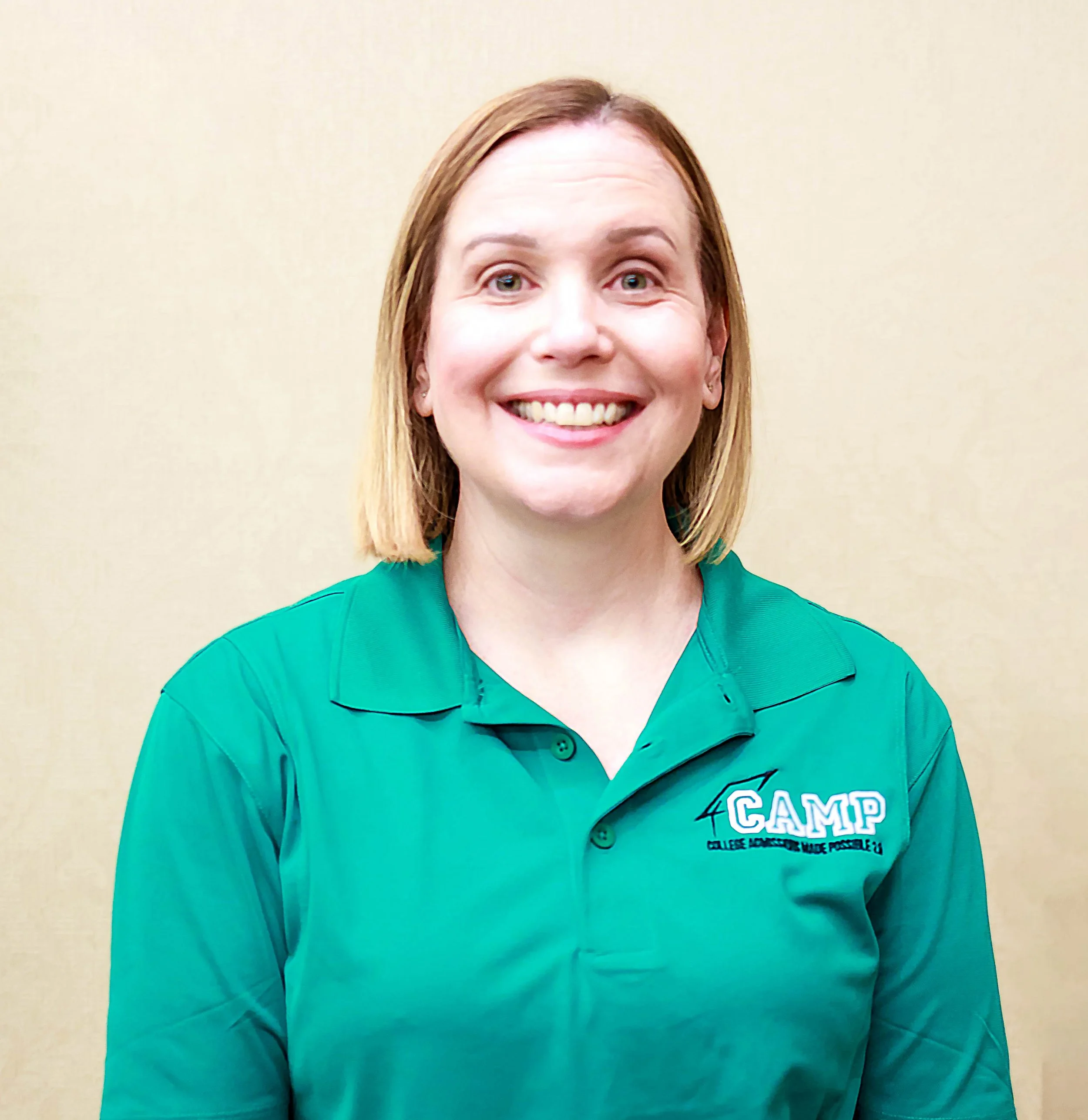
In Sylacauga, SAFE program manager Dorinda Waldrop’s 25-year teaching career led her to Afterschool work that supports entire families, not just the kids on the roster.

A father called SAFE’s Afterschool site in Sylacauga not long after his wife passed away. He wasn’t sure who was going to watch his child while he worked, and for a while, that felt like the biggest problem he had.
Dorinda Waldrop took the call. Within days, his child had a spot in SAFE’s Afterschool program. He told her later that he had expected to take a leave of absence from his job just to get through it.
The question that brought him to SAFE was about childcare. What was at stake was much bigger: what happens to a family when one piece of its routine suddenly falls out from under it.
From the Classroom to Afterschool
Dorinda Waldrop is a program manager with SAFE, the Sylacauga Alliance for Family Enhancement, working through the Expanding Learning Possibilities (ELP) initiative. She spent 25 years in the classroom before making the move into Afterschool work.
“The Afterschool setting is the perfect place for me to contribute to my community by encouraging the creativity and curiosity of our students to celebrate their successes,” she says. “Afterschool also gives me the opportunity to provide support and encouragement to their families as they face a variety of challenges.”
Dorinda says the program she manages started with five kids. It now serves close to 1,300. Ask her what the goal is, though, and the number isn’t it.
“The main goal is to strengthen families,” she says. “We are taking care of the children and hopefully enhancing the educational experience.”
A Place Where Trying Again Is Part of the Work
SAFE’s Afterschool sites run two programs side by side: Alabama Virtual Institute (AVI), CAMP’s curriculum built around Project Based Learning and the Engineering Design Process, and PlayFit, built around regular movement and exercise. Dorinda describes both as places where it’s okay to get something wrong, something she believes kids “may not feel that way during the school day.”
In AVI, that looks like kids working through a real-world problem to build something each week, often finding out the first attempt doesn’t work quite the way they expected. In PlayFit, it looks like a hula-hoop version of musical chairs, or settling a disagreement with rock-paper-scissors instead of an argument. There’s usually a small prize at the end of a session, but the real practice is something less tangible: trying, adjusting, and trying again.
In an interview about her 26-year study on early care and Afterschool participation, University of California, Irvine researcher Deborah Lowe Vandell said that “consistent and sustained participation in high-quality Afterschool programs is linked to positive academic and social outcomes for both children and adolescents.” For Dorinda, the value shows up much closer to home: kids get room to experiment, move, create, and recover when something doesn’t work on the first try.
What Reliable Afterschool Care Makes Possible
Dorinda doesn’t only think about what SAFE does for kids. She also sees what reliable Afterschool care can make possible for the adults responsible for them.
“It becomes a workforce development thing,” she says. “If they don’t have anywhere for their kids to go, they can’t work.”
Sometimes the connection is even more direct. When a parent is trying to finish a workforce-ready class and needs somewhere for the kids to be, Dorinda’s answer is simple: “Bring them over.”
That was also what was at stake for the father who called after his wife passed away. A place for his child in the afternoon meant he didn’t have to step away from his job while his family was already navigating a major loss. Reliable Afterschool care solved one immediate problem, but its effect reached into the stability of the household around it.
Nationally, families can’t always count on that kind of access. The National Academies of Sciences, Engineering, and Medicine reported that in 2020, an estimated 24.6 million children who wanted to participate in out-of-school programs couldn’t, with cost, transportation, and limited awareness among the barriers. CAMP has made the fuller version of that case elsewhere, for what it means for Alabama’s workforce specifically. In Sylacauga, it looks more specific: one parent, one phone call, and a program with room to say yes.
Word Gets Out
SAFE’s approach, in Dorinda’s words, is to support a family “from cradle to grave” instead of treating Afterschool care as something that matters only during a few years of a child’s life. Growth has come almost entirely by word of mouth.
“Word gets out, and people want to be a part of it and want to come on board,” she says.
For program leaders, that raises a useful question: when a family comes to your program with a need that reaches beyond the student, what happens next?
Enrollment tells you how many students are in the room. The calls from parents, the families referred by other families, and the trust to ask for help can reveal something different about the role a program has come to play in its community.
SAFE describes its own mission as “working together to build capacity… one child, one person, one family at a time.” That’s a fitting way to describe a program that started with five kids and grew into something a father in crisis could call and trust.
With Thanks To: Dorinda Waldrop, Program Manager, SAFE.


Comments